12 hr
Golubac Fortress & Iron Gate Gorge Day Trip
- Expert local guide
- Small group
- Skip-the-line access
- Free cancellation
Iron Gate Boat Tour — Danube Gorge Departures from Golubac Fortress
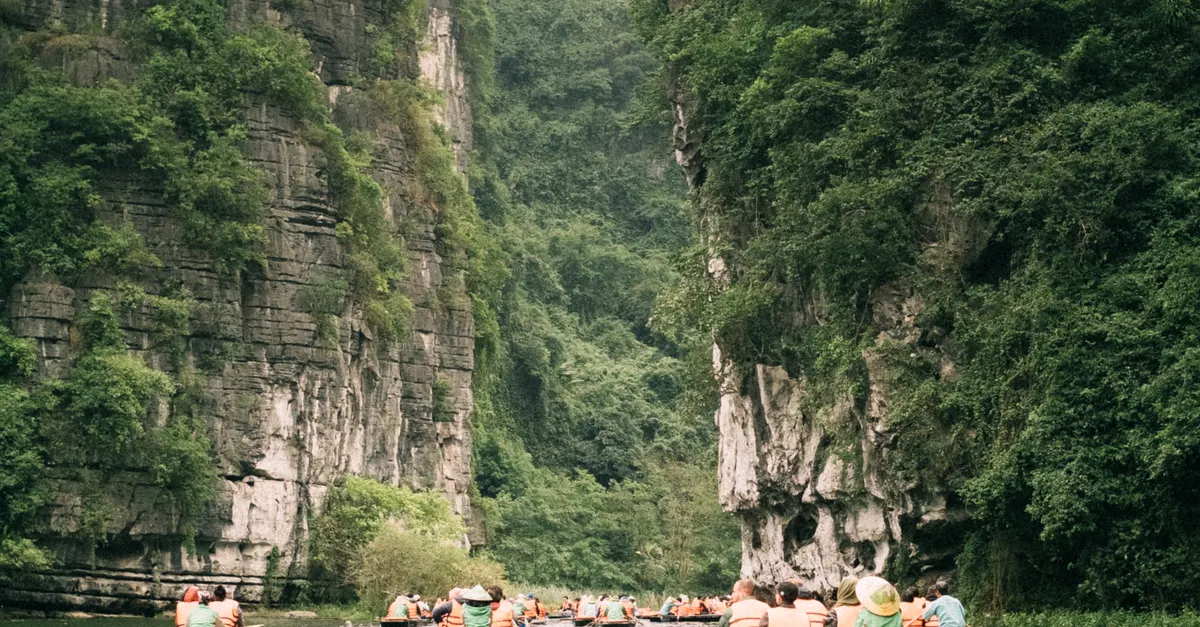
Limestone walls close overhead, the river narrows to silver.
Compare fares, pick the fit — all bookings are mobile-voucher and eligible for free cancellation where shown.
12 hr
10 hr
10 hr 30 min
Exploring the Golubac Fortress allows visitors to experience the historical gateway of the Iron Gates through various access tiers, with the Green Zone serving as the foundational entry point for your iron gate boat tour adventure. Choosing the right path ensures you can navigate the medieval ramparts and Danube vistas according to your comfort level and group needs.
|
Top pick Green Zone Basic Access |
Blue Zone Mid-Level Access | Red/Black Zone Summit Access | |
|---|---|---|---|
| Entrance Fee | 950 RSD | 1600 RSD | 1600–2500 RSD |
| Included Areas | Palace and Towers 9, 8, 5 | Green Zone + Tower 4 | Green Zone + Towers 7, 3, 1 |
| Access Method | Explore on your own | Guided tour required | Guided tour required |
| Wait Time | Minimal | Moderate | High (requires advance booking) |
| Best for | First-timers | History enthusiasts | Adventure-minded visitors |
| See tickets & prices |
Verdict: For the typical first-time visitor, the Green Zone iron gate boat tour tickets provide the best balance of historical insight and ease of access.
Worth it for gorge scenery, not fortress alone
Entry to Golubac runs 950 RSD for the Green zone daily ticket, parking included, and an iron gate boat tour is booked separately through operators like the Golubac Fortress & Iron Gate Gorge Day Trip or the speedboat runs from Belgrade. What that combined spend buys is unusual: a restored 14th-century fortress with ten towers built directly into the cliff, sitting where the Danube spreads to roughly six kilometres wide before the river squeezes into the Đerdap gorge. Walk the ramparts and you see the geology from above; take a Đerdap boat excursion and you see the same rock walls from water level, past Trajan's plaque and the Decebalus carving. For anyone driving two hours from Belgrade, the ticket alone is thin value. Paired with a river excursion through the National Park, iron gate boat tour tickets turn a stopover into a full day that justifies the distance.
Bottom line: Book the fortress and an iron gate boat tour together, or don't make the drive at all.
They complement each other; most visitors who do both call the fortress the more historic experience while the iron gate boat tour provides a more thrilling perspective.
|
Top pick Iron Gate Boat Tour |
Fortress Walking Tour | |
|---|---|---|
| Primary focus | River-level gorge views | Historical tower exploration |
| Best for | Panoramic river photography | Medieval history immersion |
| Physical intensity | Low (seated) | Moderate (stair climbing) |
| Duration | 45–60 minutes | 1–3 hours |
| Typical price | Varied (private operators) | 950 RSD (Green zone) |
| Suitability | All ages | Active individuals |
| See tickets & prices |
Verdict: Choose the iron gate boat tour if you want to capture the scale of the gorge, or stick to the fortress walking tour if you prefer getting up close to the ancient masonry.
Hand-picked experiences loved by thousands of travelers
10 hours
Free Cancellation
Journey along Europe's mightiest river through its deepest gorge, exploring ancient settlements and medieval legends
1 day
Free Cancellation
Journey through medieval Serbia visiting three majestic riverside fortresses along the Danube
9 - 11 hours
Free Cancellation
Explore medieval fortresses, ancient archaeological wonders, and dramatic Danube gorges on this full-day adventure
11 hours
Free Cancellation
Journey through Serbia's dramatic Danube gorges with fortress exploration, boat cruise, and ancient ruins
10 hours
Free Cancellation
Discover medieval fortresses, ancient archaeology, and stunning Danube canyon views on this East Serbia adventure
9 hours
Free Cancellation
Journey through Serbia's imperial past with three UNESCO-worthy sites along the mighty Danube River
10 hours
Free Cancellation
Discover medieval fortresses along the Danube, sample traditional Serbian spirits, and explore Eastern Serbia's heritage
The central residence featuring historical exhibitions and guides at Golubac Fortress.
Part of the Green zone, offering defensive history and river views.
Known for the Knights of Golubac Fortress exhibition.
Features the Commanders of Golubac Fortress exhibition.
Built by the Ottomans to defend the harbor with heavy artillery.
You reach Ridan bb, 12223 Golubac at opening, 10:00, and the ticket desk sells the 950 RSD Green zone daily ticket, parking included. Arrive between 10:00 and 12:00 and the light still falls across the eastern towers rather than behind them.
You cross the visitor centre tunnel under the old roadway and come out inside the lower town.
You climb first. Steel stairs bolted into the fourteenth-century stone take you up through the towers, each landing opening onto a different angle of water. From the top you see Babakaj rock standing alone mid-channel, and the Romanian bank a kilometre off. You take twenty minutes here. Then you come down to the quay.
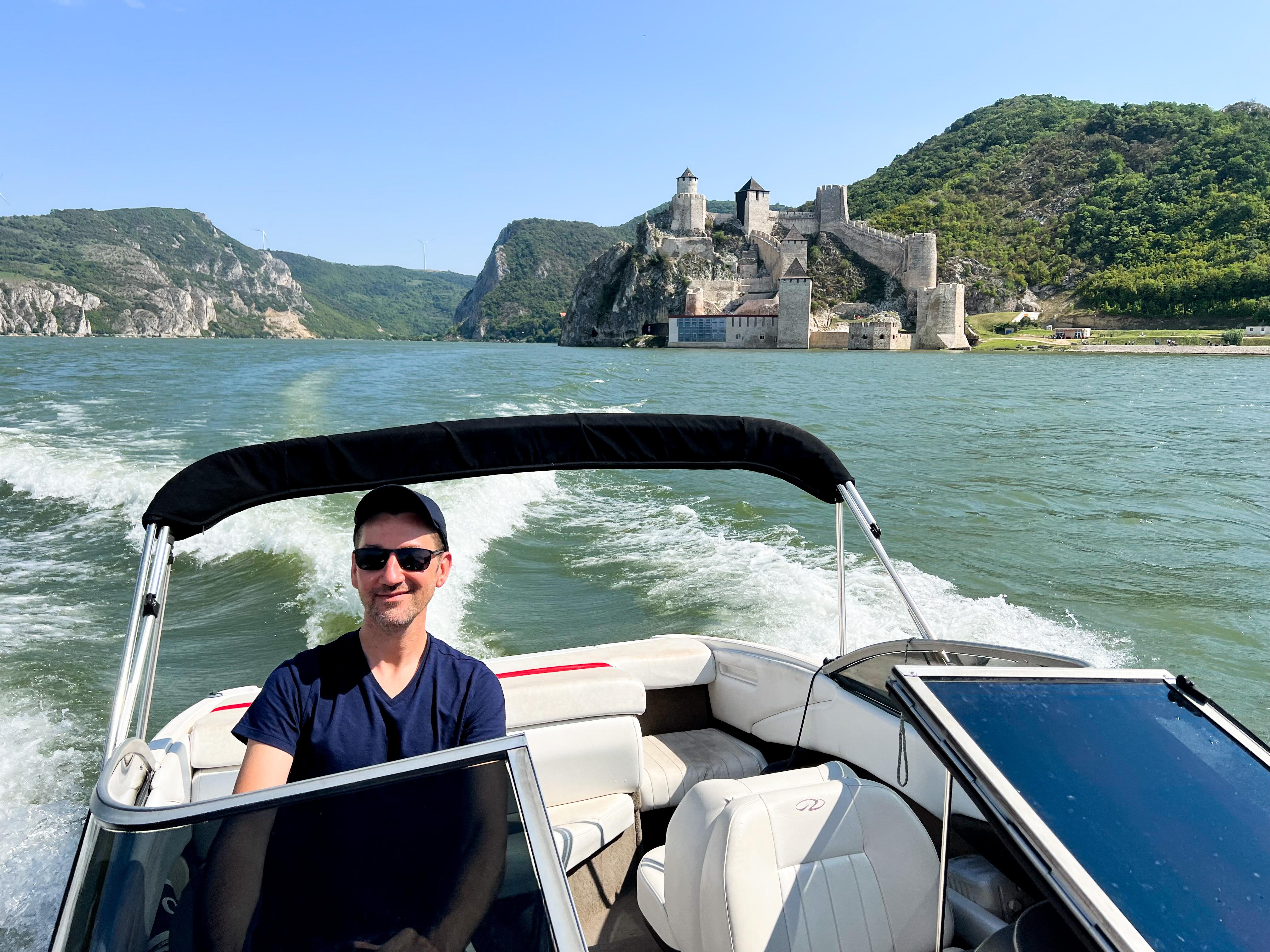
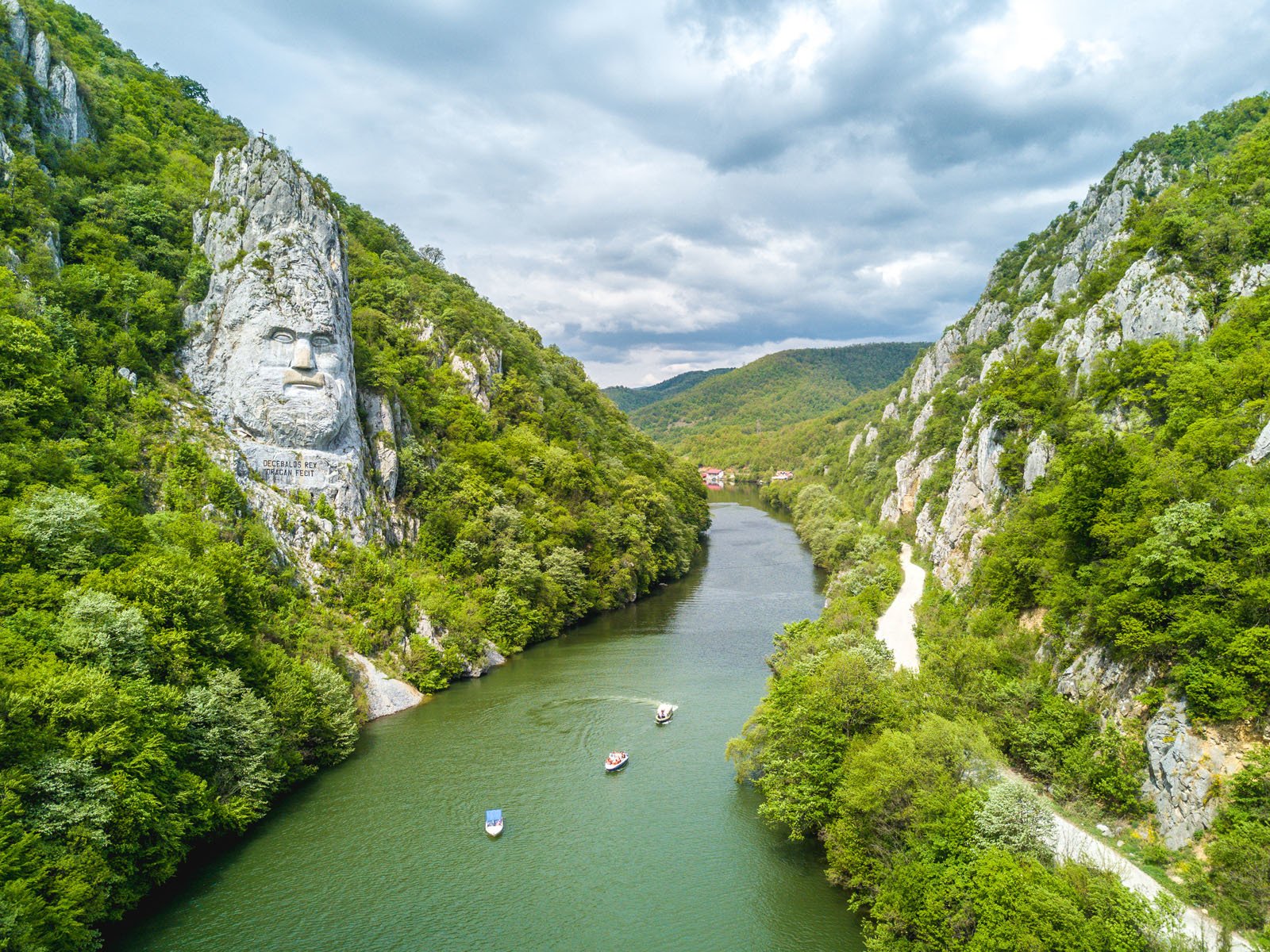
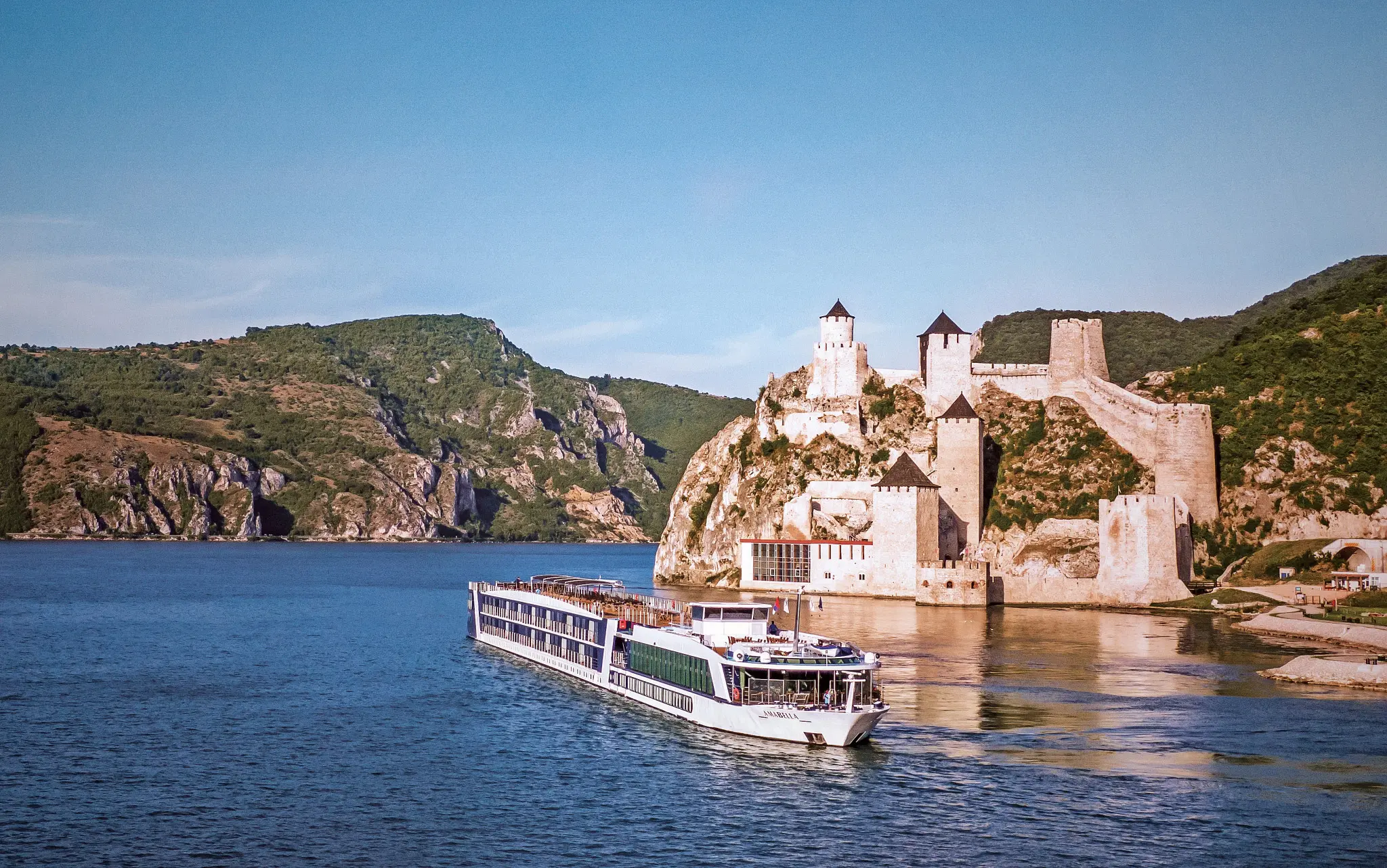
Your iron gate boat tour boards at river level. The engine notes change as the walls close in — the boat runs downstream past Golubac's nine towers, then into the narrows where the cliffs go vertical and the surface turns flat and dark. You pass the Decebalus relief on the Romanian side and look up at a face forty metres tall. On the speedboat option you feel the spray; on the day-trip cruise you stay dry and hold a coffee.
Back at the quay by mid-afternoon, you walk the ramparts once more before the gates close at 17:00. The site is shut Mondays, so plan accordingly.
All the details about your upcoming adventure in one place
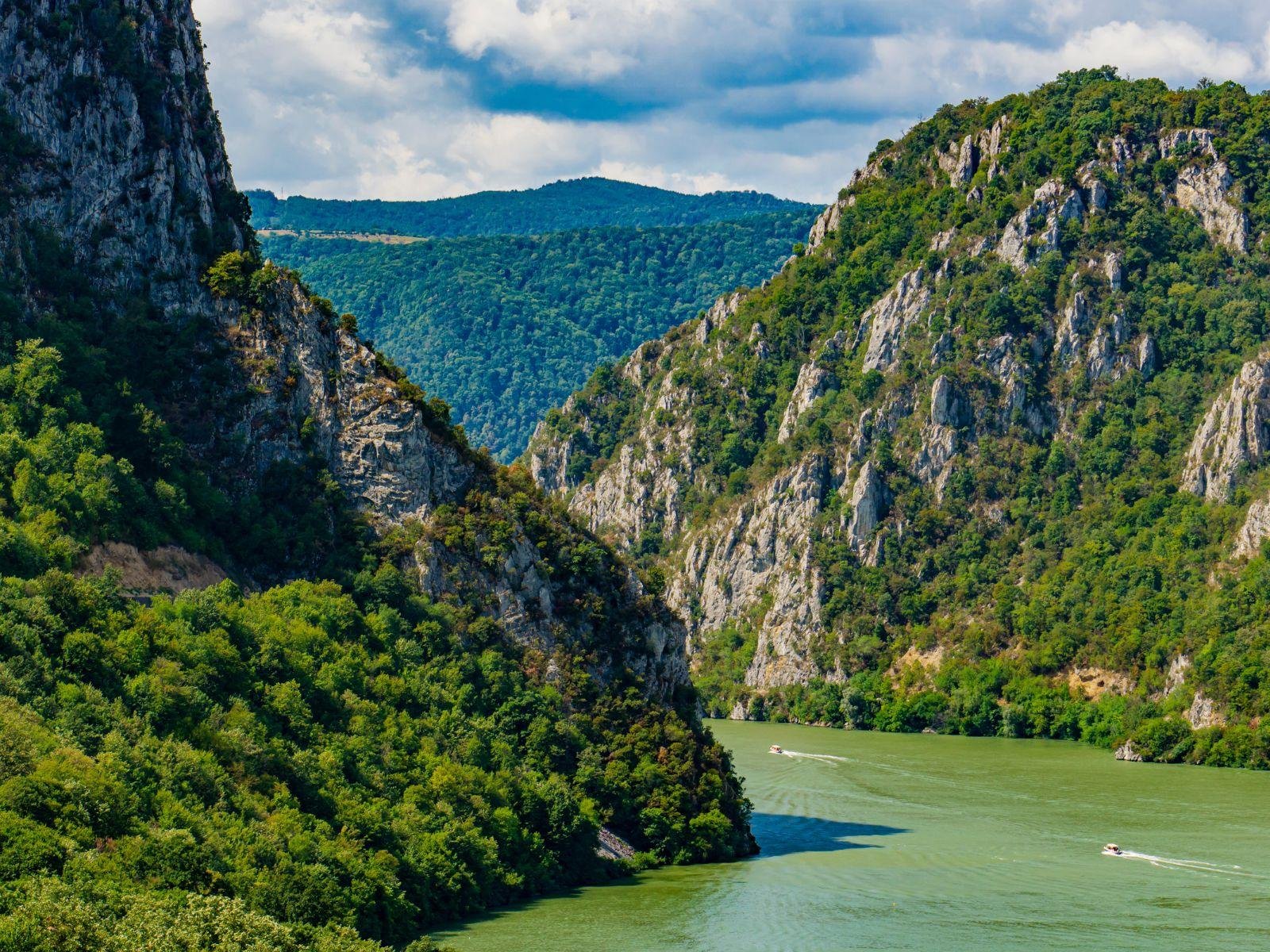
The Danube is at its deepest here — roughly 90 metres at the Great Kazan, making it one of the deepest river points on Earth. The water is also at its narrowest: barely 150 metres between two walls of Carpathian limestone.
Every iron gate boat tour departing beneath Golubac Fortress moves through that constriction, where the river changes from a broad Pannonian plain waterway into a corridor cut through mountain.
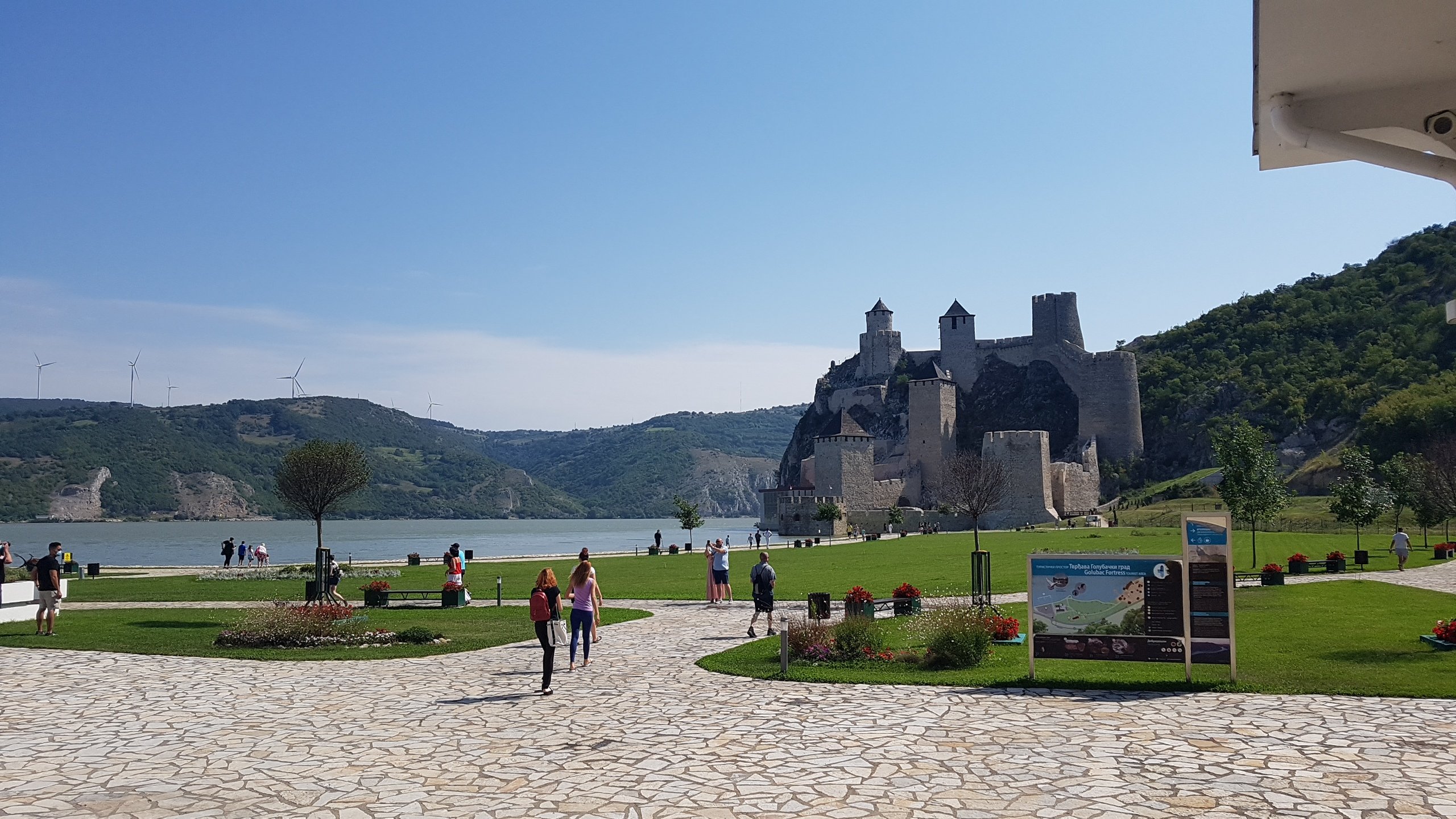
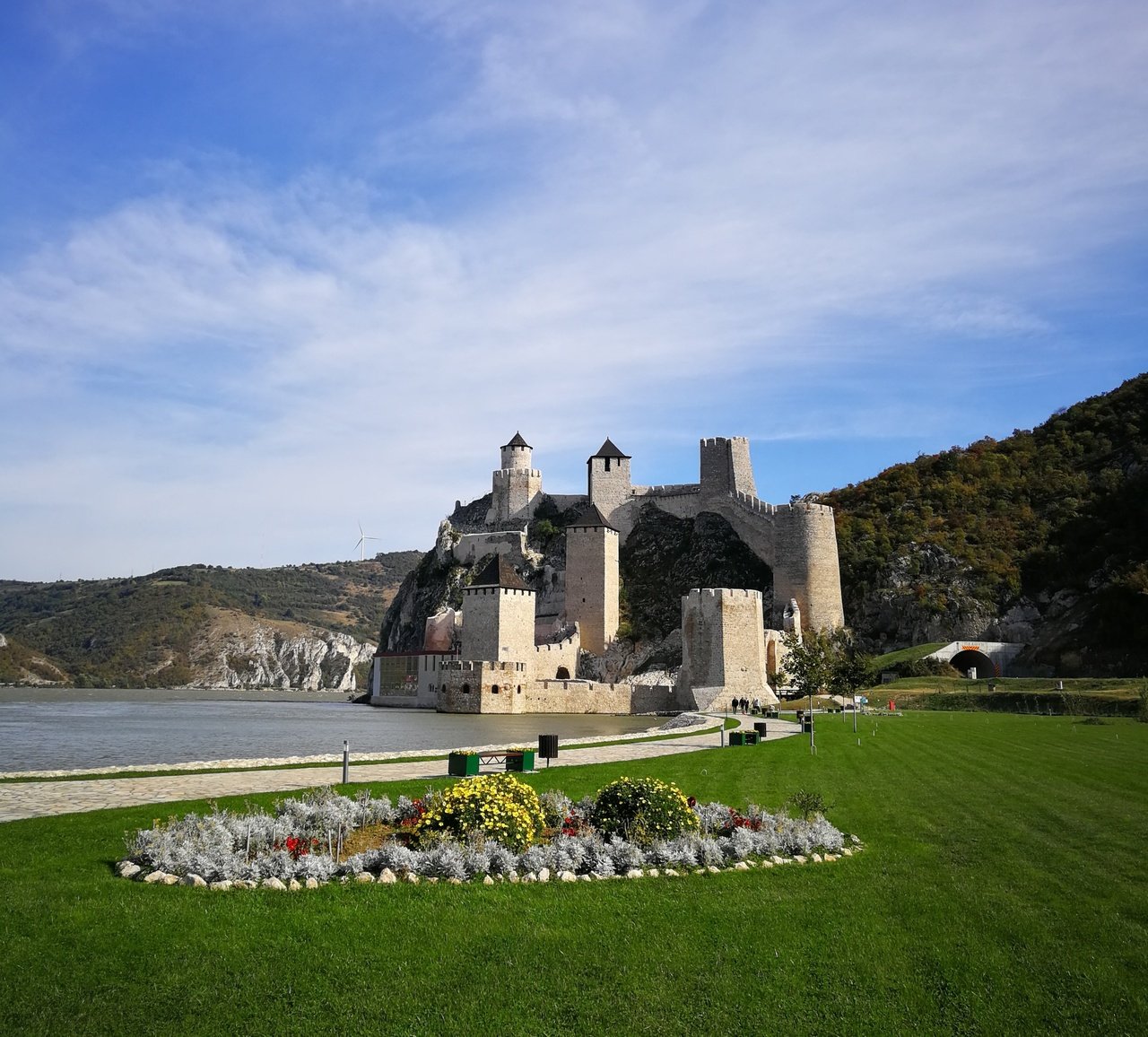
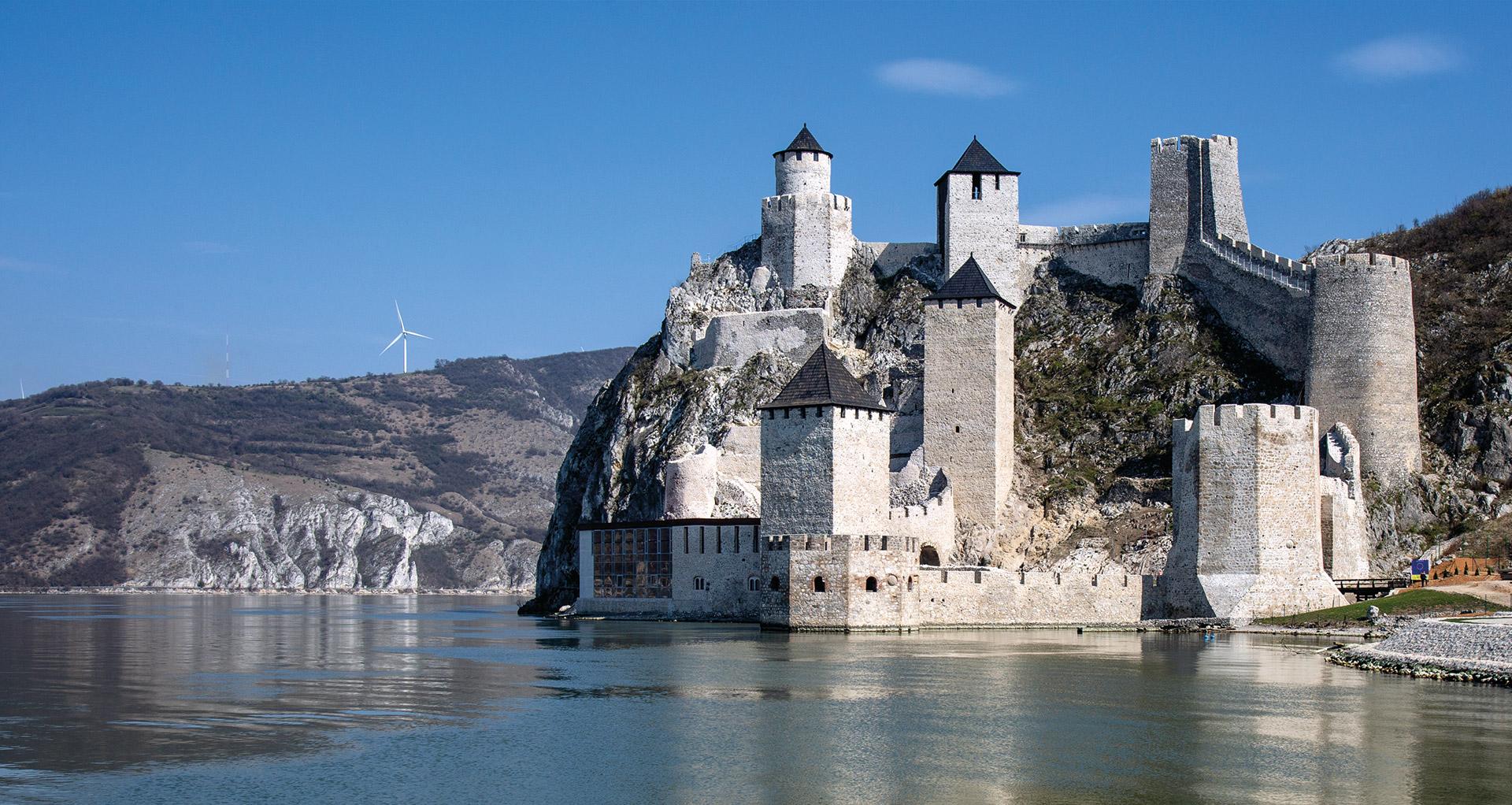
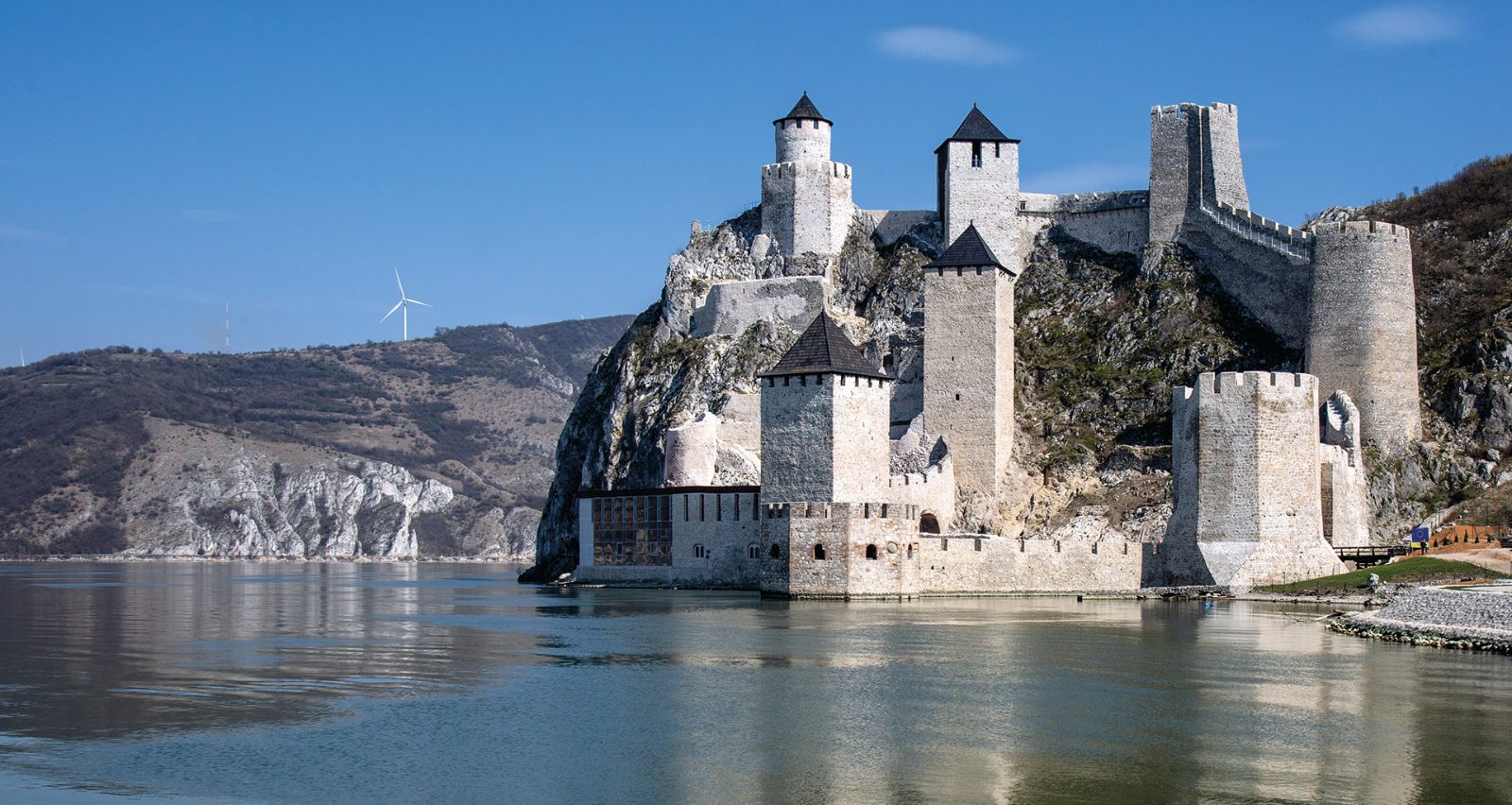
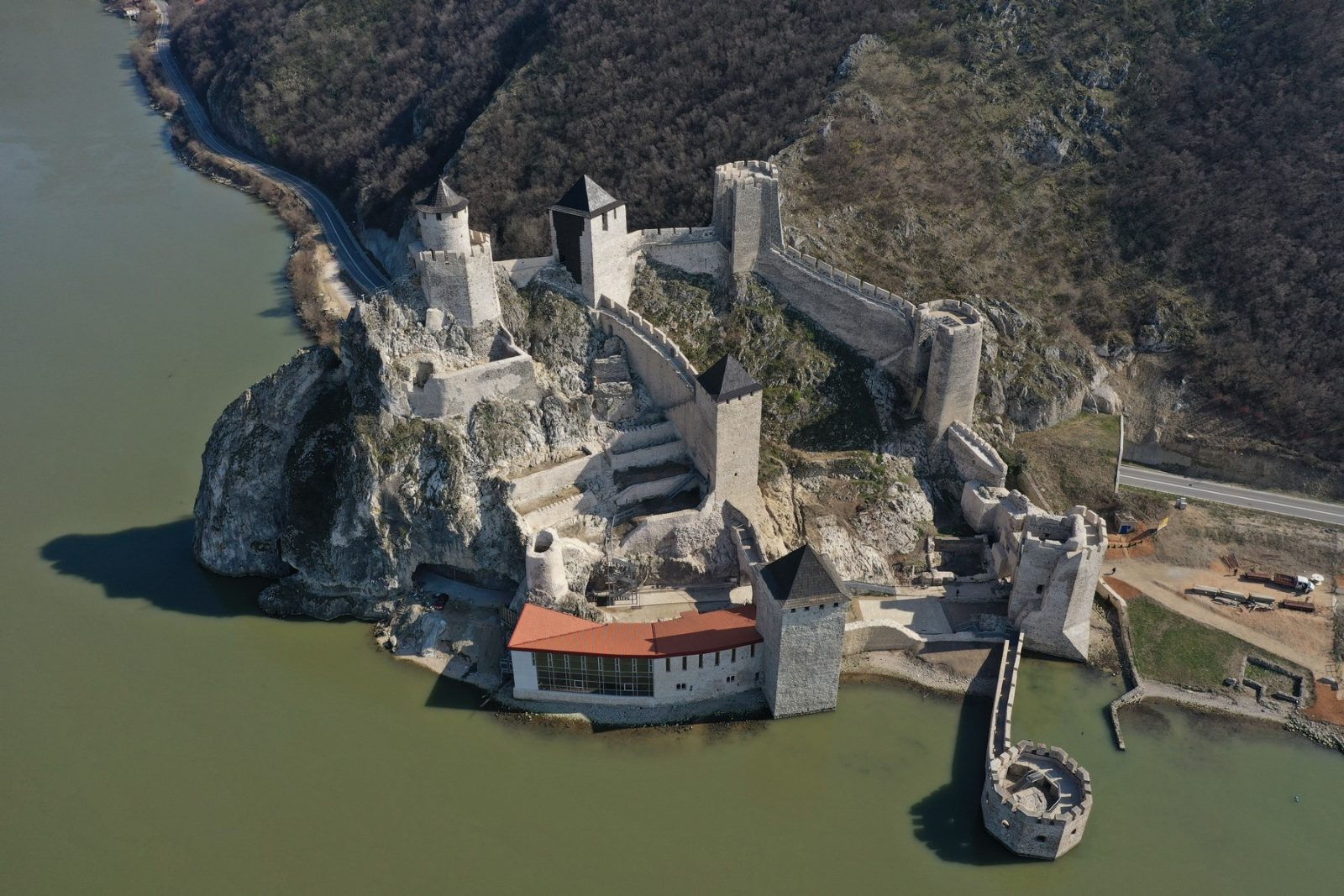
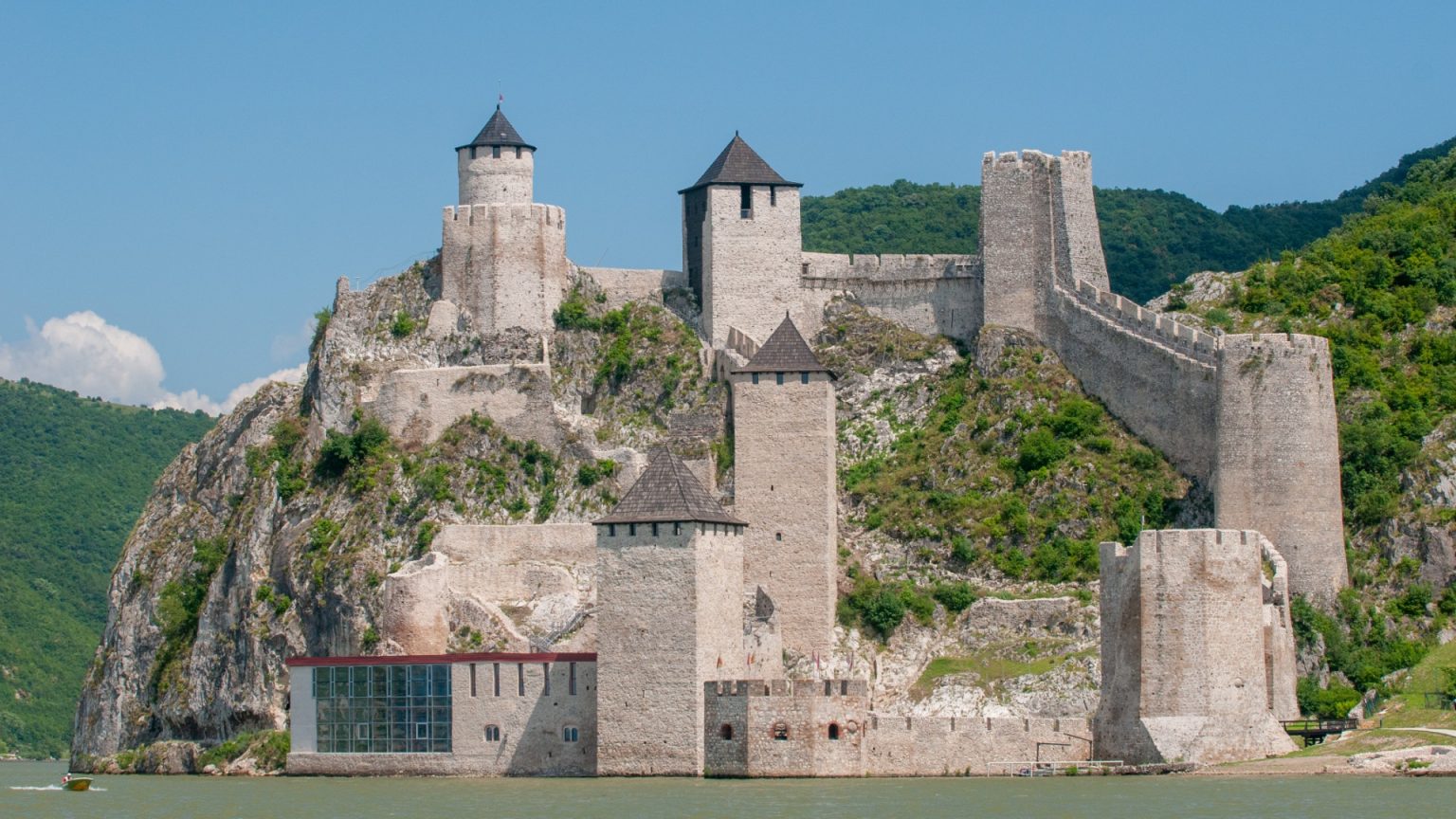
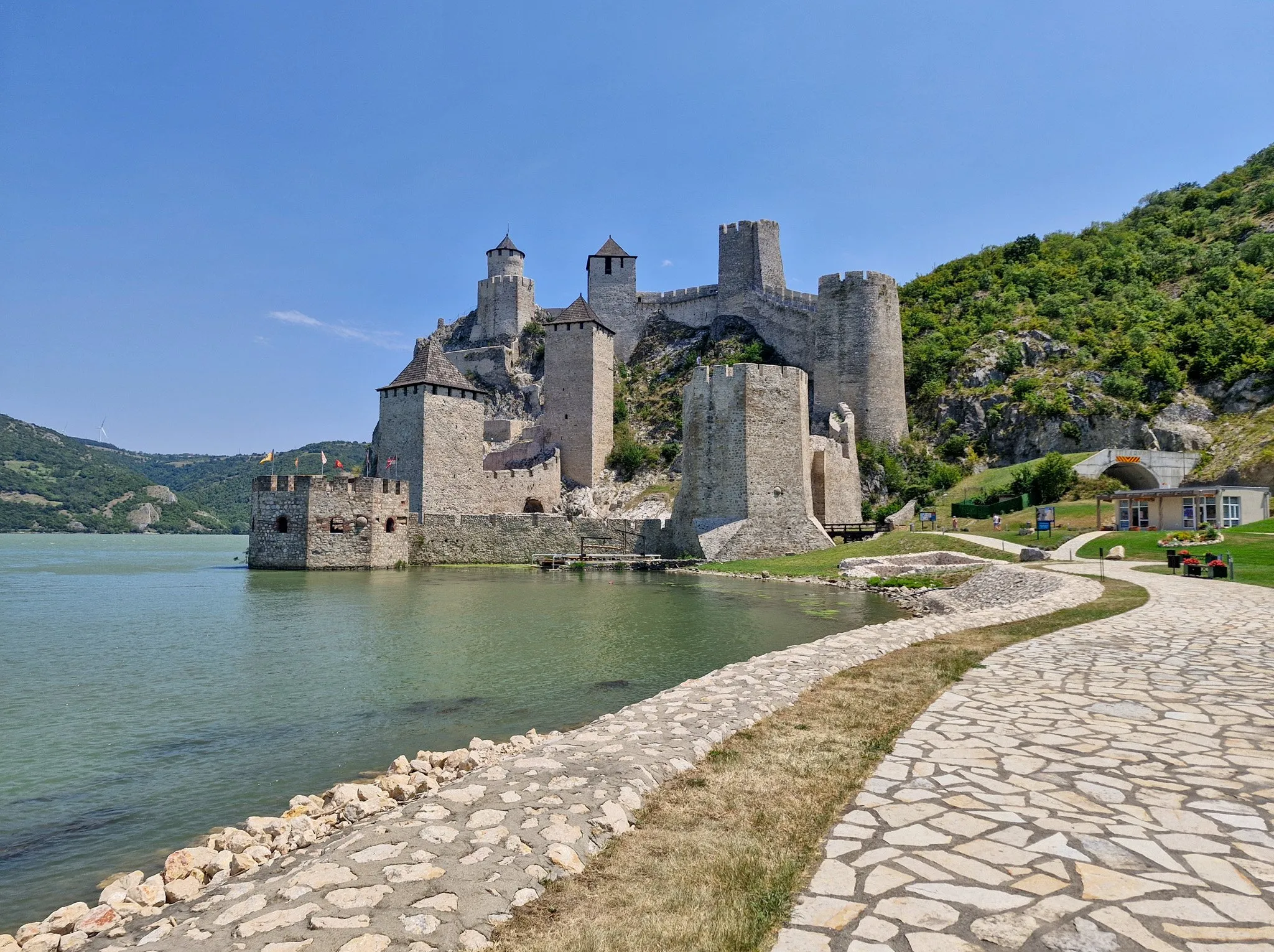
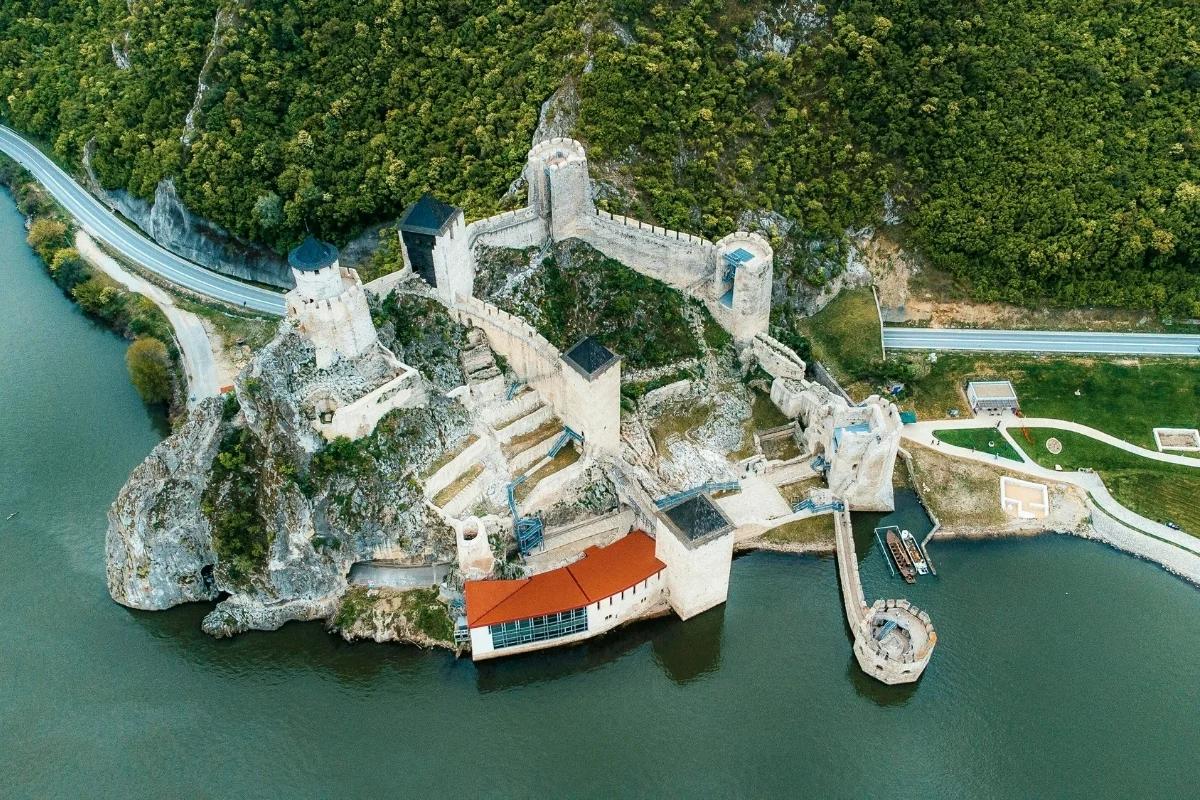
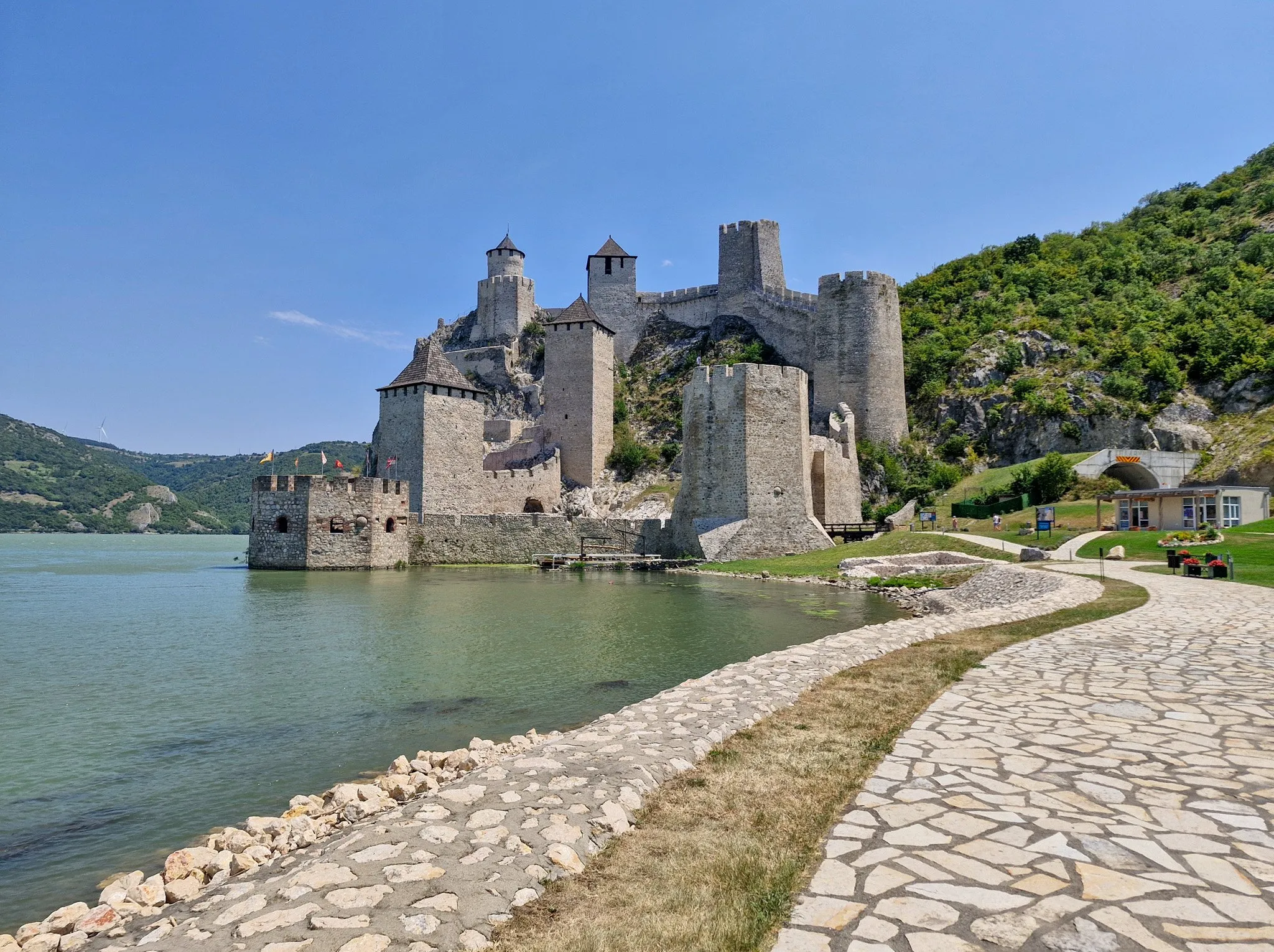
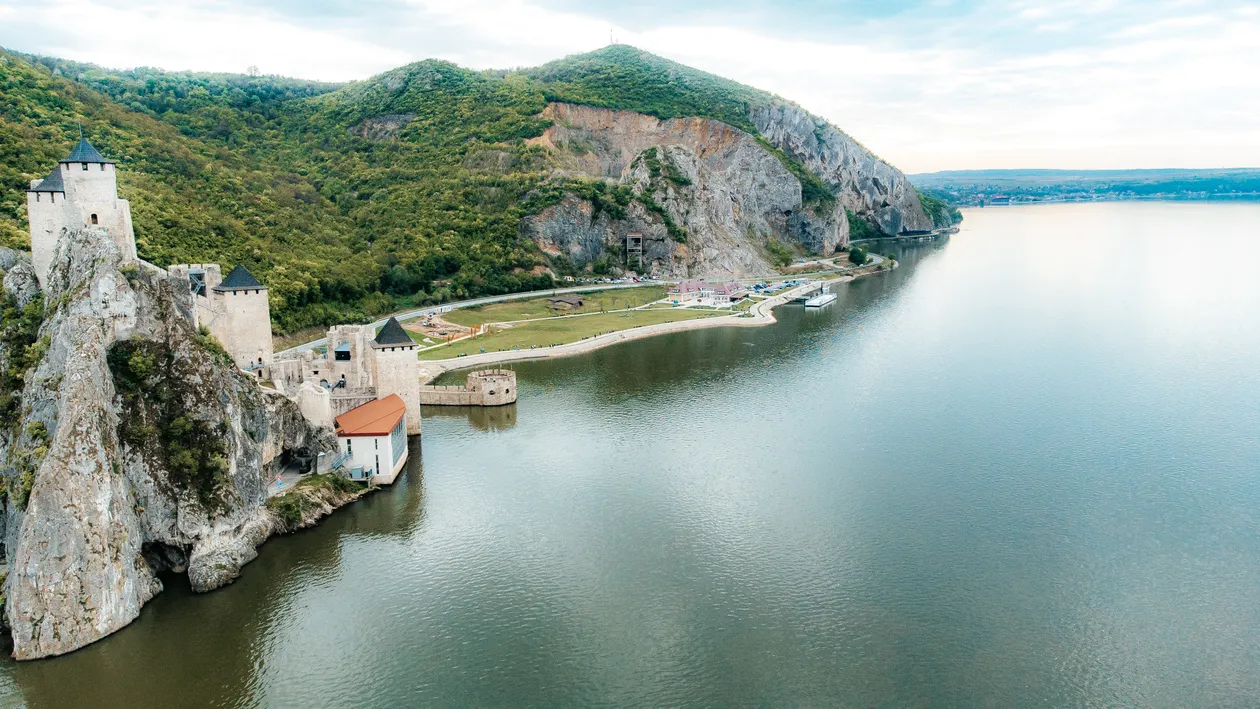
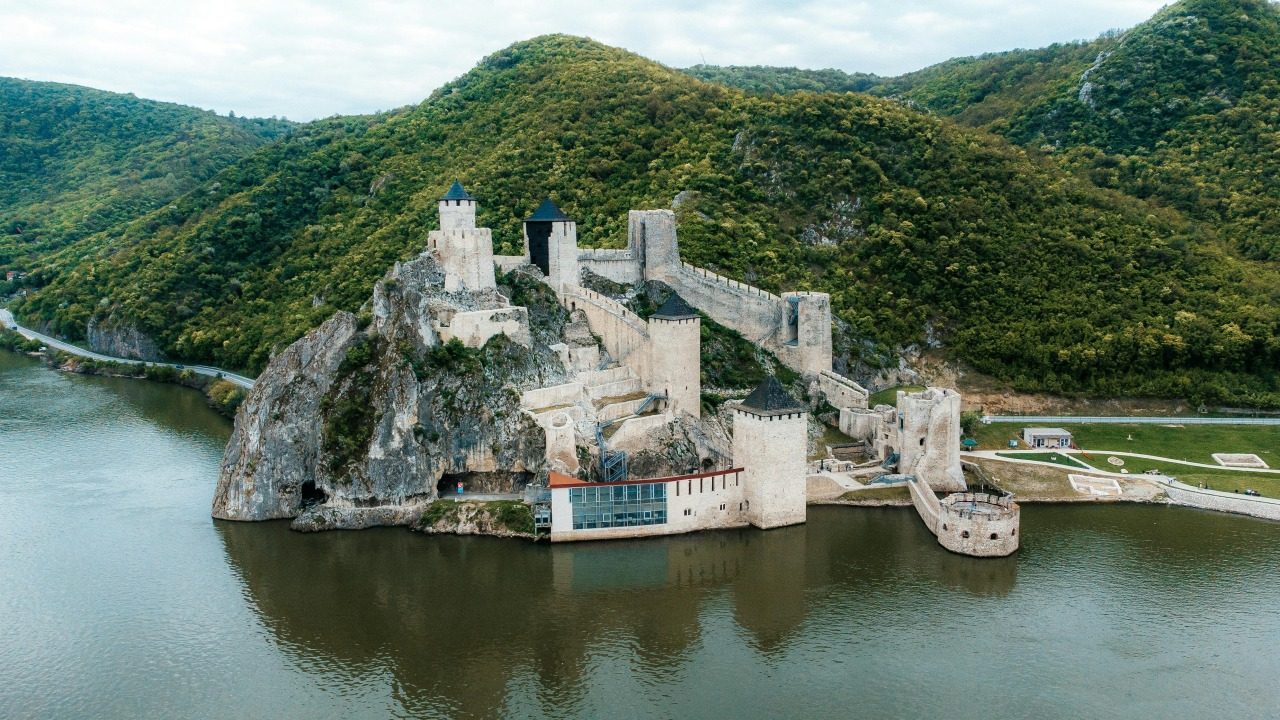
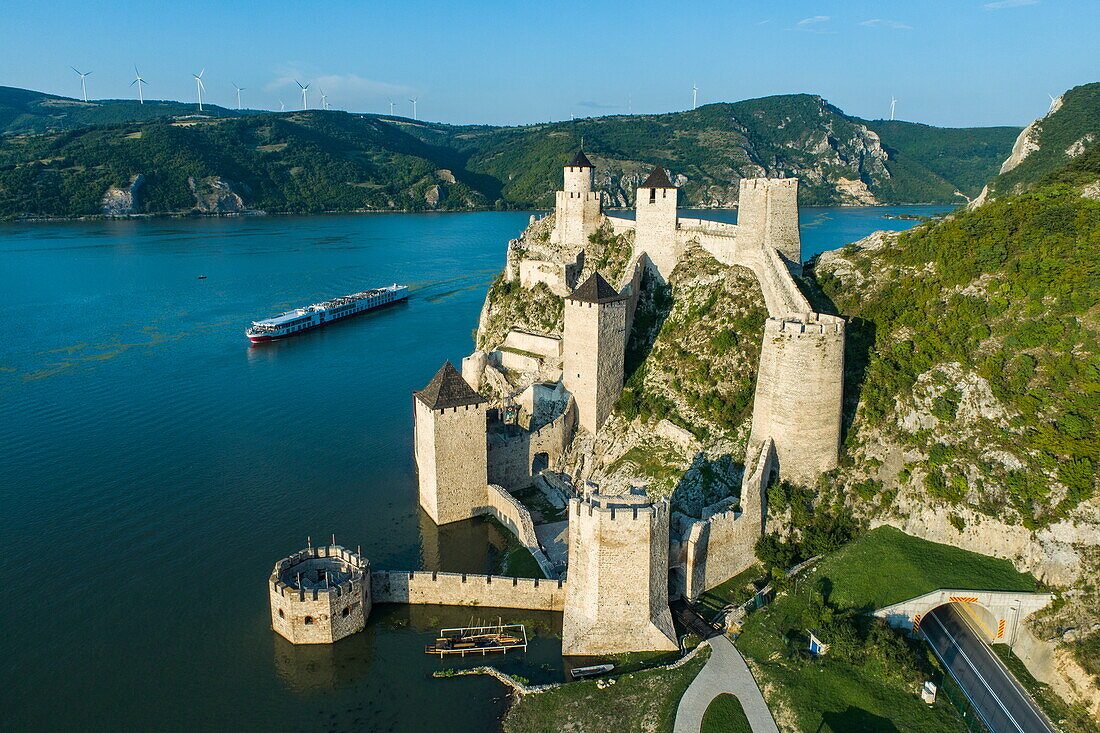
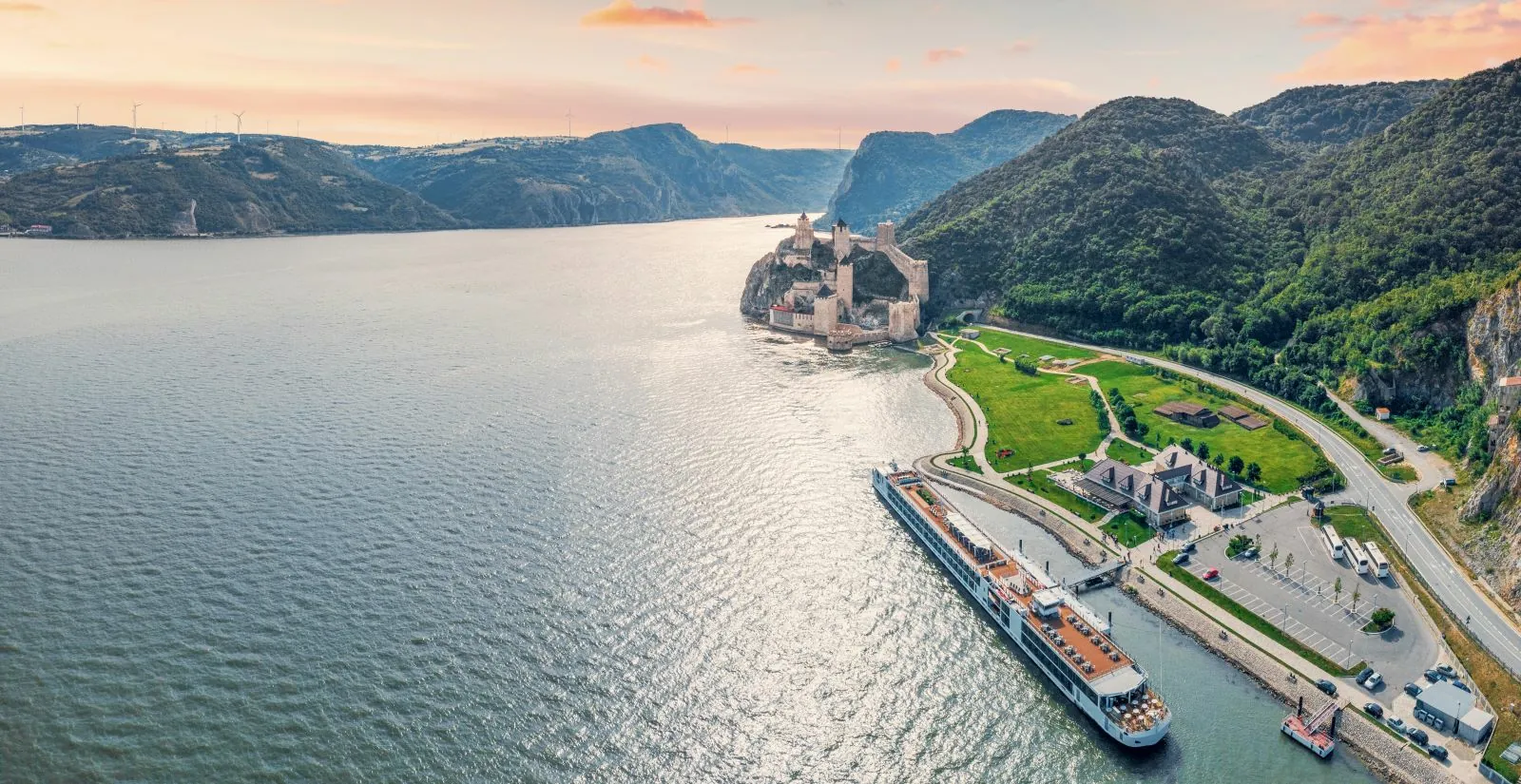
Golubac Fortress guards the western mouth of this gorge. Nine towers step up a rock spur where the Danube widens to six kilometres before squeezing shut. Built in the fourteenth century, the fortress changed hands between Hungarian, Serbian and Ottoman rule more than a dozen times. Its restoration, completed in 2019, threaded walkways and steel stairs through the medieval masonry and rerouted the old road that once ran straight through the lower town.
What makes the site matter now is the gorge itself. Đerdap National Park protects 63,000 hectares of karst, oak forest and cliff along the Serbian bank; the Romanian shore rises opposite as a mirror image. Rock formations named Babakaj, Ploče and the Great and Small Kazan mark the passage. At Mrakonia, a 40-metre face of Decebalus — the last Dacian king — was carved into the cliff between 1994 and 2004, the tallest rock relief in Europe. Downstream lies the Đerdap dam, whose 1972 reservoir raised the water level and drowned the island town of Ada Kaleh. Upstream, Lepenski Vir preserves a Mesolithic settlement of trapezoidal houses and sandstone fish-headed figures dating to roughly 9500 BCE.
The architecture of the fortress rewards a slow reading. The upper town keeps its irregular polygonal towers, adapted repeatedly for cannon after the fifteenth century; the lower town shows Ottoman-era additions in different stone. Loopholes face both the river and the landward approach. From the ramparts the whole geological argument of the place is visible at once — the plain behind, the gate ahead.
Boat departures use the fortress quay and the small harbour nearby, and the operators serving this stretch pair the water passage with the walls above. Some run a single-hull cruise; others use rigid inflatables that reach the Kazan and return the same afternoon. A Danube gorge tour of this kind covers ground no road can: the cliffs have no shoreline path. Whichever iron gate boat tour a visitor chooses, the sequence is the same — fortress, narrows, relief, and the long open reach beyond.

The river changes here from a plain to a corridor cut through mountain.
Sturdy footwear is highly recommended for exploring the ramparts and uneven terrain of the fortress. Dress according to weather conditions as much of the site is outdoors during your iron gate boat tour.
Large bags should be kept to a minimum as the site contains narrow staircases and historical passageways. Security checks may be in place for your iron gate boat tour.
Photography is permitted for personal use at Golubac Fortress. Professional photography for your iron gate boat tour or other commercial projects requires prior authorization and a fee.
The Green zone is suitable for families and children. Always supervise minors near the fortress walls and river banks during your iron gate boat tour.
Wheelchair access at the fortress is restricted to the Palace area. The upper tiers are not accessible due to the historical nature of the structure.
A cafeteria is available on-site at the Visitor Center. Refreshments are recommended before or after your iron gate boat tour.
Opening Hours
10:00–17:00
Address
Ridan bb, 12223 Golubac, Serbia
Accessibility
Limited to Palace area
Best arrival
10:00–12:00
Navigation
Follow signs for Golubac Fortress via state road 34
Tickets are final sale and include the entrance fee of 950 RSD. Contact the venue for rescheduling inquiries regarding your iron gate boat tour.
Recommended time
3-4 hours
Allocating this time allows you to explore the fortification walls before boarding an iron gate boat tour to view the Danube landscape. Visitors requiring iron gate boat tour tickets should arrive early to secure space, as the site attracts larger groups by mid-day. Efficient planning ensures you avoid congestion while navigating the ramparts and the narrow stone corridors of this medieval landmark.
Crowd levels through the day
Golubac Fortress guards the narrowest reach of the Danube, where the river bends into the Đerdap gorge. Its first documented mention comes from 1335, in a charter naming the Hungarian castellan of "Galambócz." Archaeologists date the oldest towers to the early fourteenth century, though Roman and Byzantine foundations likely lie beneath. Nine towers climb the limestone cliff in three tiers. The lower stronghold controlled the water; the upper citadel watched the road. Visitors who arrive by an iron gate boat tour see the walls as their builders intended them to be seen — from the current below. The fortress changed hands with brutal regularity. Serbian Despot Stefan Lazarević held it until his death in 1427. His commander Jeremija sold it to the Hungarians' rivals, and in 1428 King Sigismund of Hungary laid siege and failed; the retreat across the Danube nearly cost him his life. Ottoman forces took the site and held it, with interruptions, until 1867, when the garrison withdrew and the keys passed to Prince Mihailo Obrenović. Cannon ports cut into the medieval masonry still record that long Ottoman tenure — a detail worth noting on any Golubac fortress tour. Modern engineering nearly undid the place. The Đerdap I hydroelectric dam, completed in 1972, raised the Danube by some thirty metres and drowned the fortress footings. A state road was driven straight through Tower 1 in the 1930s. Restoration ran from 2014 to 2019 under EU funding, rerouting the road into a tunnel and opening the site as a managed monument. Today the walls are stabilised, the towers climbable, and the story legible again — one reason iron gate boat tour tickets so often pair with a walk through the gate itself. Serbian operators list it among Đerdap National Park's principal Danube landmarks, and iron gate boat tour tours now approach from both riverbanks.
First documented mention of Golubac appears in a Hungarian charter naming the castellan of "Galambócz".
Serbian Despot Stefan Lazarević dies and the fortress passes out of his control.
King Sigismund of Hungary besieges Golubac and fails, barely escaping across the Danube in retreat.
Ottoman forces hold the fortress through four centuries, adding cannon ports to the medieval walls.
The Ottoman garrison withdraws and the fortress is handed to Prince Mihailo Obrenović of Serbia.
A state road is cut directly through Tower 1, severing the lower fortifications.
The Đerdap I dam raises the Danube roughly thirty metres, submerging the fortress footings.
A major EU-funded restoration reroutes the road into a tunnel and reopens the site as a managed heritage monument.
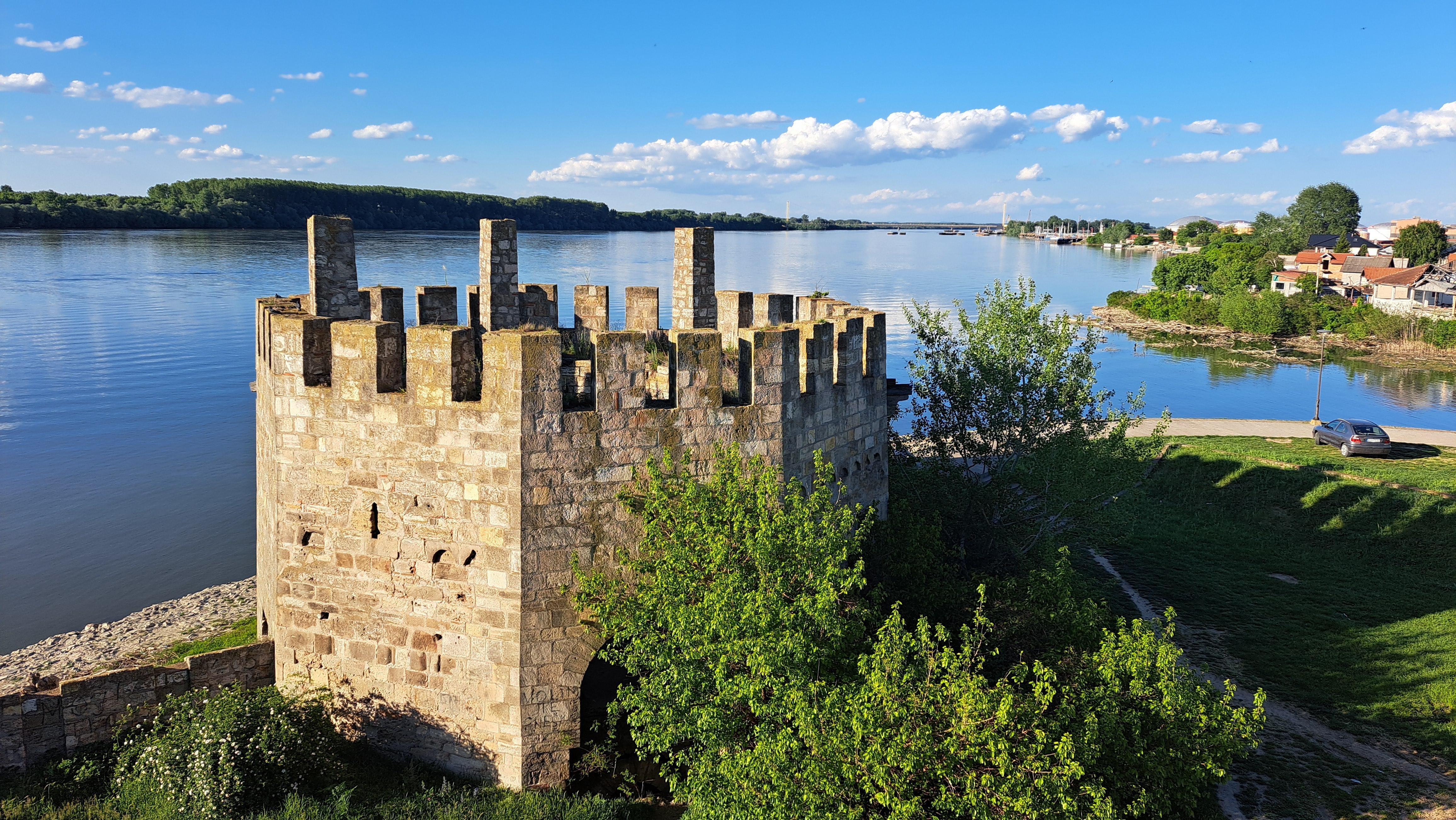
Stand along the paved walkway near the water to capture the full silhouette of the stone walls and towers reflected in the river. This angle provides the most context for your iron gate boat tour and the scale of the fortification.
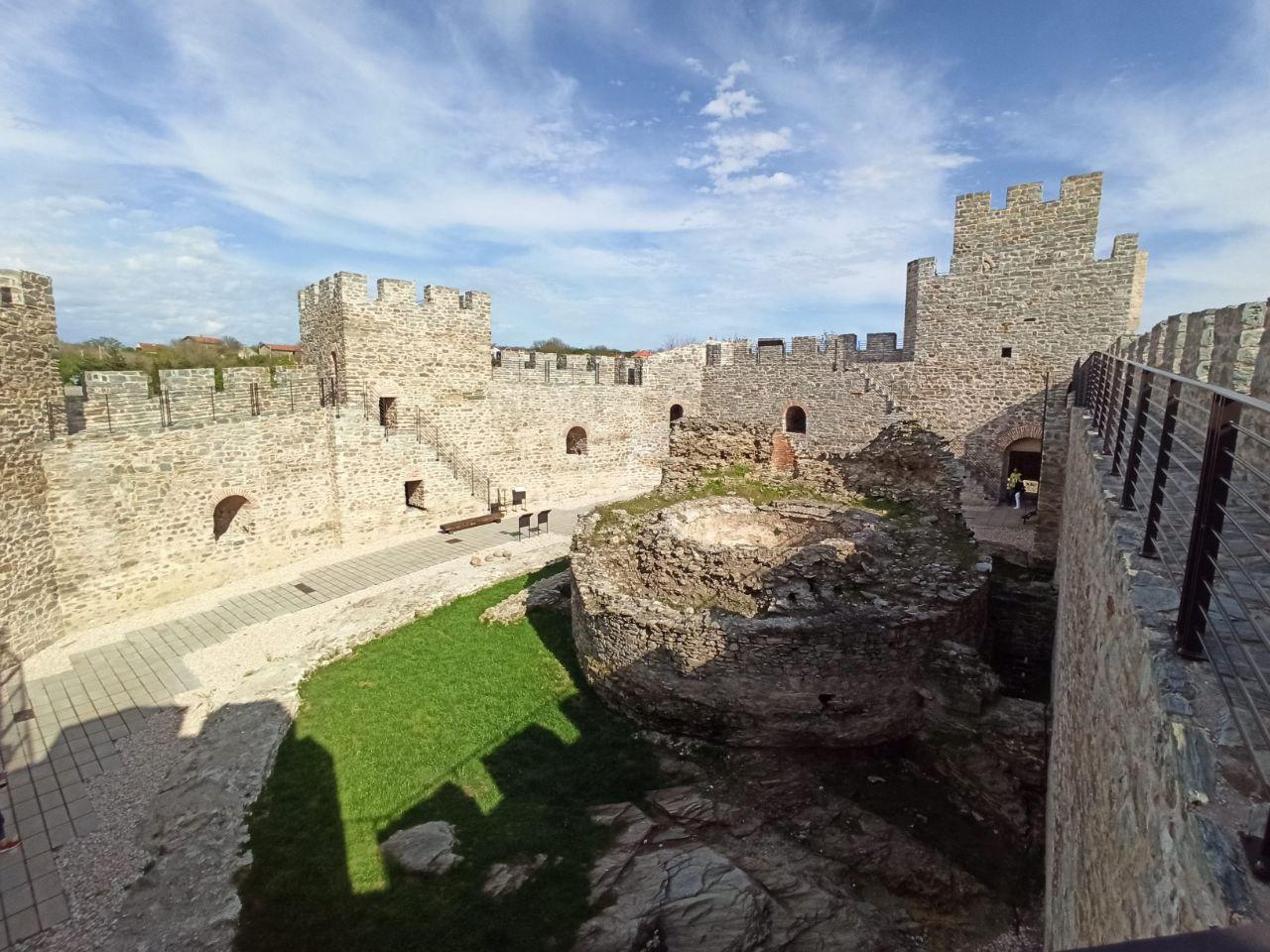
Climb to the higher levels of the interior to frame the medieval masonry against the vast expanse of the gorge. This position offers a commanding perspective of the fortress architecture and the river landscape.
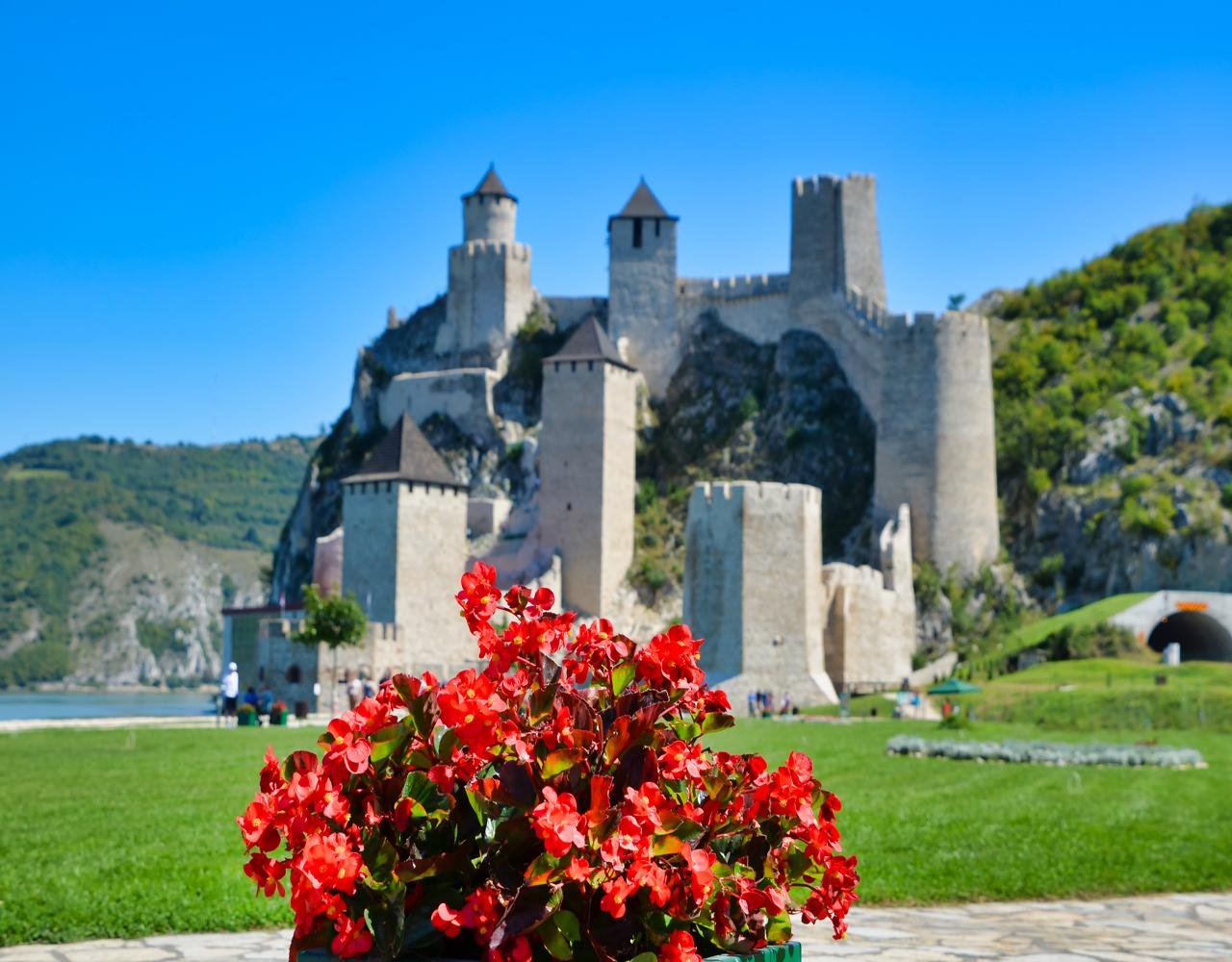
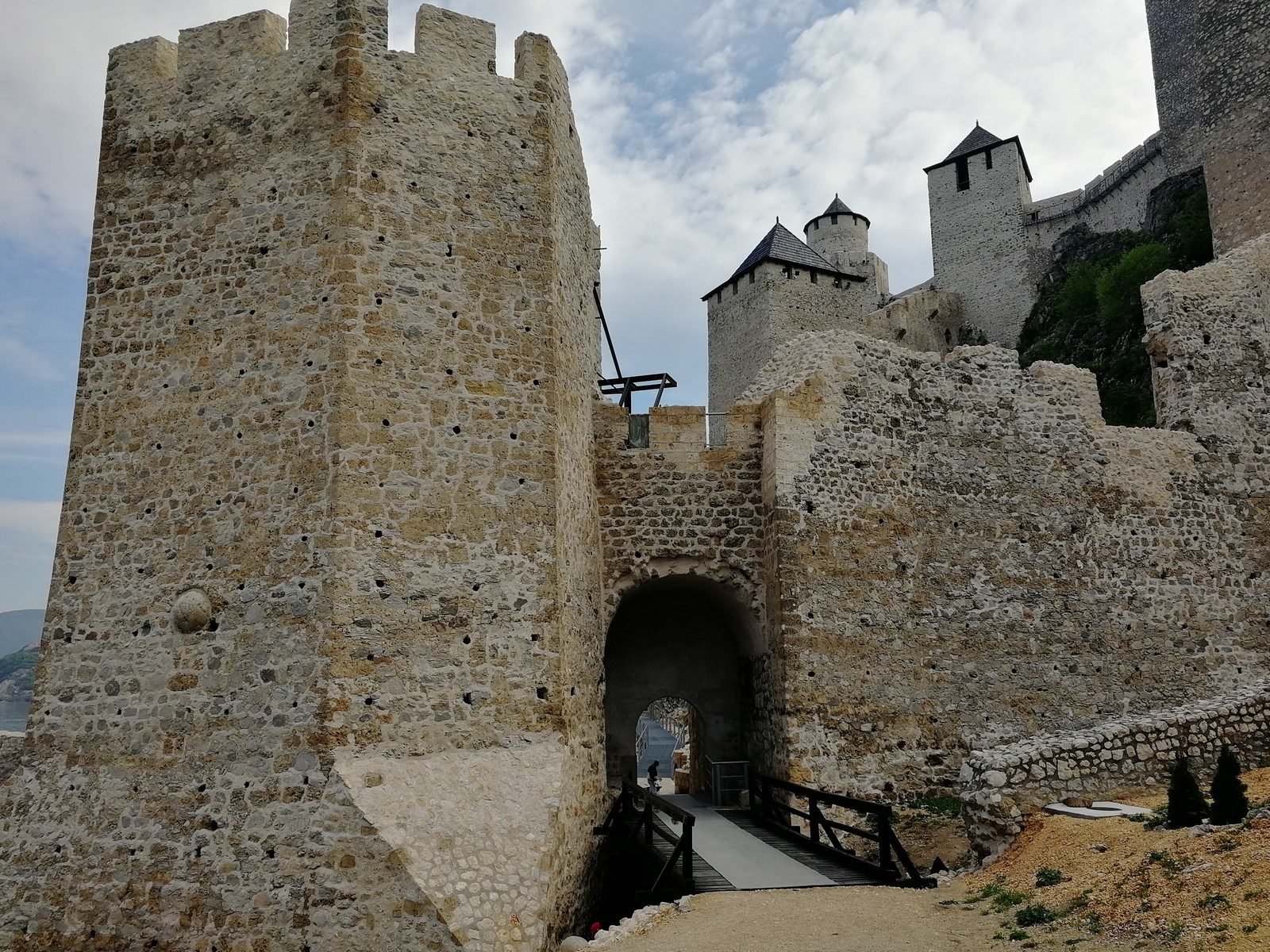
Position yourself near the entrance path to photograph the contrast between the preserved stone gates and the lush greenery surrounding the site. This spot is ideal for capturing historical details before you secure your iron gate boat tour tickets.
Follow the marked trail toward the higher elevations to photograph the fortress as it anchors the entrance to the Iron Gates. This vantage point is essential for wide landscape compositions of the Danube landmarks.
Visiting the fortress with children is a rewarding experience when you plan around the accessible lower grounds. Families often combine a fortress walk with an iron gate boat tour to fully capture the scale of the Danube landscape.
The lower green zone is the most accessible area for families, though historic stone pathways make strollers difficult to navigate in many parts of the complex. It is best to use a baby carrier for younger children when exploring the towers or uneven terrain.
While children of all ages can enjoy the scenic grounds, the more rigorous climbing routes to the upper towers are strictly reserved for adults. The green zone provides a manageable environment for school-aged children, while the full iron gate boat tour tour offers a relaxed way for younger ones to see the sights without physical exertion.
The site features a visitor center where you can find basic amenities, though dedicated baby-changing stations are limited. We recommend ensuring your group has all necessary supplies before arriving to secure your iron gate boat tour tickets and beginning your visit.
To make the most of your day, arrive between 10:00 and 12:00 to enjoy the fortress while avoiding the mid-day heat. Many families find that a combined visit to the fortress and a nearby iron gate boat tour tours provider creates a perfect full-day itinerary.
You will find dining options in the town of Golubac offering local fish dishes and snacks for children. It is helpful to carry extra water and snacks as you move between the fortress grounds and local iron gate boat tour departure points.
Dining options near the iron gate boat tour are primarily situated along the Danube banks, providing convenient spots for visitors to refuel after exploring the medieval fortifications. While on-site kiosks offer light snacks, most guests prefer walking a short distance to the nearby restaurants for local river fish and traditional Serbian dishes.
Located near the entrance, this venue specializes in fresh river fish and classic grilled meats. It is a popular choice for those finishing their iron gate boat tour tours before heading back to the city center.
$5-10
Offering a diverse menu of local cuisine, this establishment provides a relaxed atmosphere to review your iron gate boat tour tour photos. It is best to visit during off-peak hours to avoid the mid-day rush often seen after the morning Danube sightseeing excursions.
Everything you need to know for your journey
Golubac Fortress is open Tuesday through Sunday from 10:00–17:00. The site is closed on Mondays.
No, the iron gate boat tour is typically a separate service from the 950 RSD entrance fee.
Prices vary by operator; check live tour inventory for iron gate boat tour tickets.
Yes, children are welcome on the iron gate boat tour when accompanied by an adult, provided they meet any operator safety requirements.
The best arrival window is 10:00–12:00 to avoid mid-day crowds and capture the best lighting for your iron gate boat tour.
Personal photography is allowed at the fortress, though professional gear for an iron gate boat tour may require special permission.
The fortress is not stroller-friendly due to steep, narrow medieval paths and stairs.
Prohibited items include drones and large tripods, which should be left behind before your iron gate boat tour.
You can combine your iron gate boat tour with a visit to the nearby Lepenski Vir museum or a drive through Djerdap National Park.
Join thousands of happy travelers who have discovered this incredible experience
Book Your Experience Now